


Historic Limestone Church Restoration in Central Illinois
- Home »
- Case Studies »
- Historic Limestone Church Restoration in Central Illinois


Since founding Personal Touch in 1989, Joyce Harris has led with a commitment to quality, value, and hands-on expertise. What began as a one-woman cleaning service has grown into a respected company known for its integrity, craftsmanship, and long-standing client relationships.
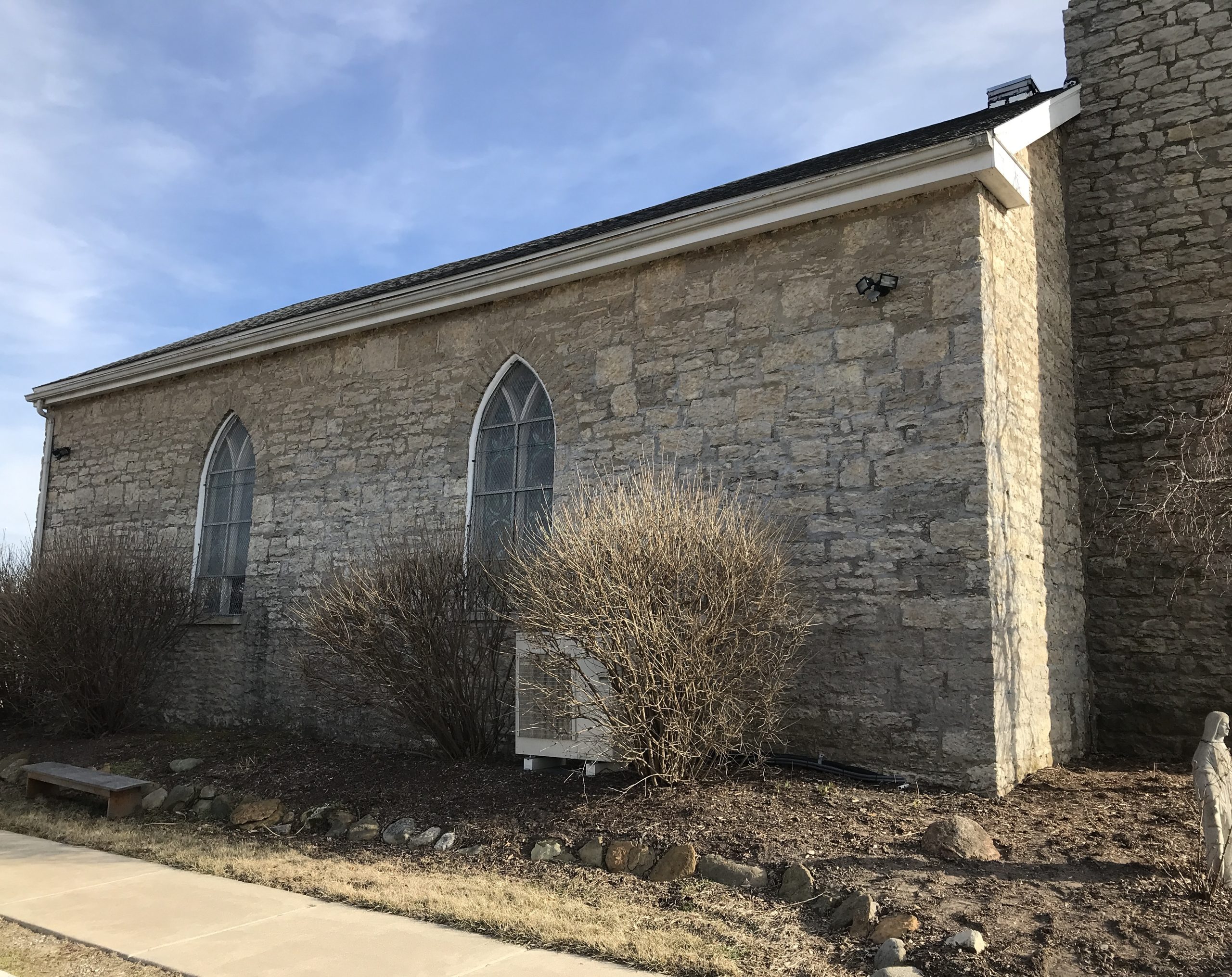
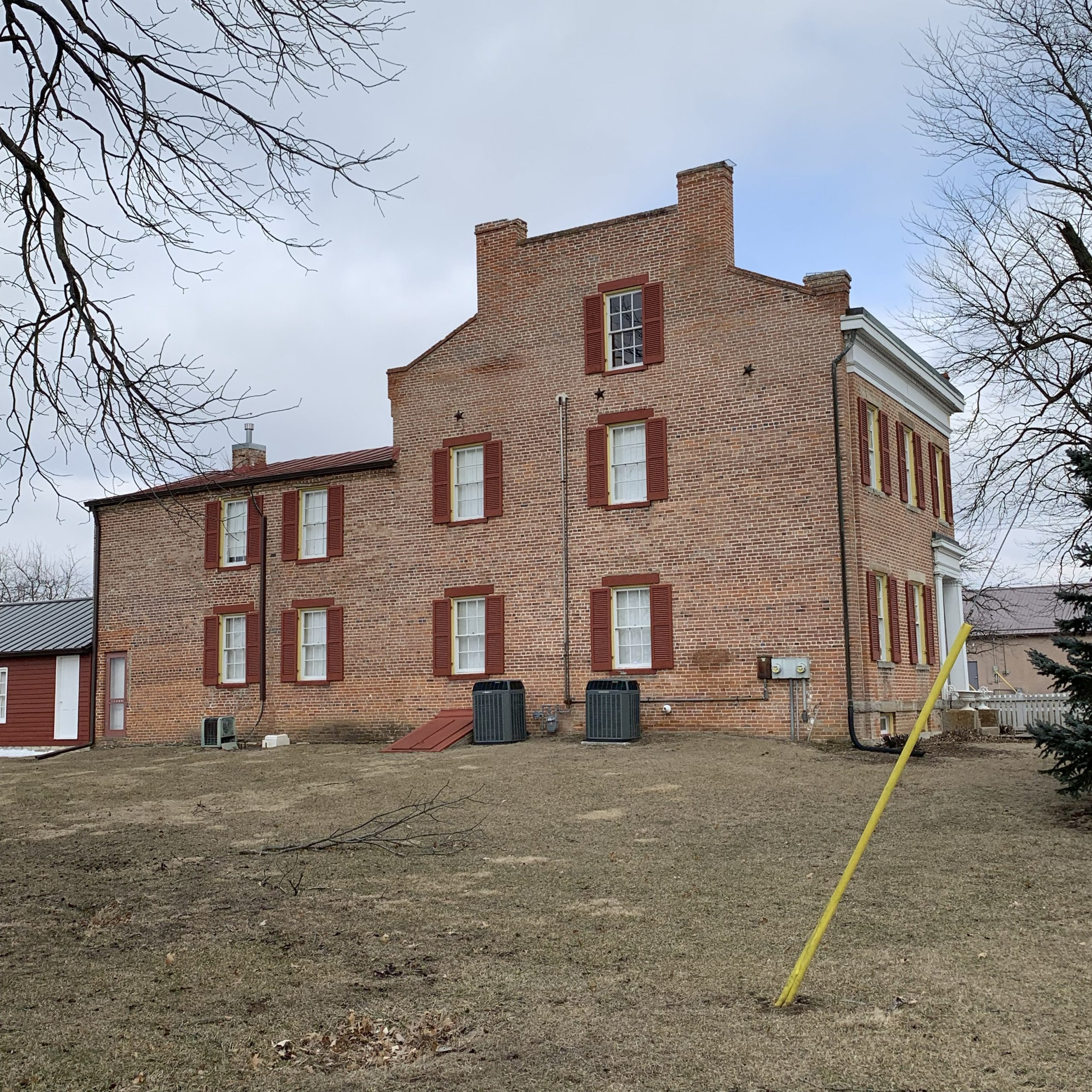

Historic Limestone Church Restoration for Christ Church Limestone in Central Illinois
Some historic buildings serve not only as landmarks, but as living places of worship, memory, and continuity. That was the case with Christ Church Limestone, a congregation in Central Illinois whose beautiful mid-1800s stone church stands as both a spiritual home and a piece of regional history.
Built with Joliet limestone, the church is a striking example of historic stone construction. But like many older masonry buildings, time and weather had begun to take their toll. Many of the mortar joints were cracking, eroding, and failing, allowing water to penetrate the structure. Left unaddressed, this kind of deterioration can lead to much more serious damage over time.
Historic stone buildings require a different level of care than modern masonry. With Joliet limestone, that is especially true. This stone has a tendency to cleave and spall, meaning layers or pieces can break away if the masonry system is not allowed to move and breathe properly. That is why choosing the correct mortar is so important.
At Personal Touch Service Solutions, we understand that successful historic stone restoration depends on using materials that are compatible with the original construction. In this case, the original mortar was a traditional lime mortar with a sand mixture containing heavy rubble. That rubble was not accidental. In large mortar joints, it helps provide the mortar with added body and strength while still allowing the masonry system to remain flexible and breathable.
Over the course of several years, we carefully restored the church, addressing the failed joints with historically appropriate materials and methods. As with all true historic masonry repointing, the goal was not simply to improve appearance, but to protect the structure and preserve its long-term performance.
This work was especially important because of the porosity of the stone itself. Joliet limestone is highly absorbent. When porous stone takes on too much water, it can become vulnerable during winter weather. If temperatures drop quickly and the absorbed water freezes, the expansion inside the stone places stress on its internal structure. When this freeze-thaw cycle happens repeatedly over many years, deterioration becomes much more likely.
To help prevent that, once the masonry repairs were completed, the church was treated with a breathable natural stone sealer. This type of sealer is designed to reduce excessive water absorption while still allowing the stone to breathe. That balance is critical in historic masonry. The goal is not to trap moisture inside the wall, but to prevent the stone from acting like a sponge while still allowing normal vapor movement.
By combining proper lime mortar repointing with a breathable natural stone sealer, this restoration helped protect the church from further water-related damage and preserve the integrity of the limestone for the future.
Projects like this remind us that historic restoration is about more than repairing buildings. It is about caring for places that continue to serve their communities in meaningful ways. Through the right materials, the right methods, and a respect for the way these structures were originally built, buildings like Christ Church Limestone can remain standing for the next generation of parishioners to worship, gather, and carry on their traditions.
At Personal Touch Service Solutions, we are proud to provide historic stone restoration, lime mortar repointing, and masonry repair for churches and historic buildings throughout Central Illinois.