


Most people think dusting is a simple task. Wipe the surface, move on, check the box. But in commercial facilities — offices, medical buildings, schools, churches, and professional spaces — dust control is directly connected to air quality, appearance, and long-term building care.
“High-dusting, the thorough cleaning of elevated surfaces such as vents, beams, rafters, lights, and ceiling-mounted equipment, plays a major role in the cleanliness of the space and affects indoor air quality.” https://www.proethic.com/blog/why-high-dusting-matters-more-than-most-facility-managers-think /
At Personal Touch Service Solutions, serving Central Illinois, we approach dusting as a technical process, not a casual chore.
How dust is removed or just pushed around is dependent on the tools used and how they are maintained.
It is important to understand how different dusters work so that facility managers can make informed choices about cleaning and maintenance practices.
Why Microfiber Works So Well
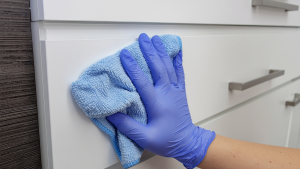
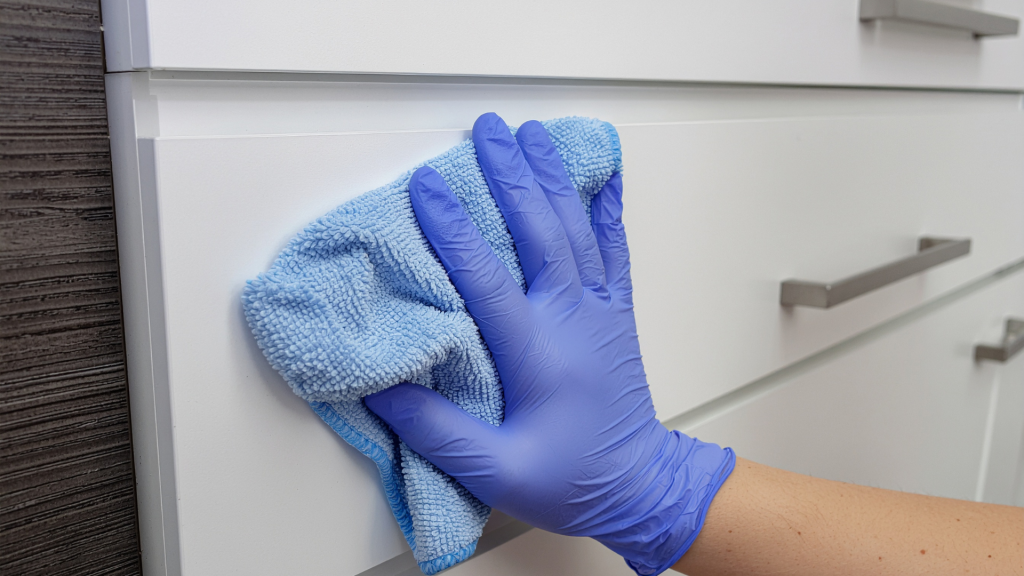
Microfiber is not just “soft cloth.” It is engineered differently from traditional cotton rags.
A microfiber strand is split into extremely fine fibers, increasing the surface area compared to a standard cloth. That extra surface area gives the cloth more contact with the surface that helps grab and hold onto dirt.
Cotton pushes dust around the surface. Microfiber, on the other hand, is designed with short, dense fibers that trap particles within the weave. When slightly dampened, the fibers draw in dust and keep it instead of letting it float back into the air.
This matters more in commercial settings, where dust that keeps moving through the air can impact employees, visitors, and HVAC performance.
“Dust accumulation in HVAC systems can reduce efficiency and affect indoor air quality.” https://www.energy.gov/energysaver/maintaining-your-air-conditioner
Proper Care of Microfiber
Caring for Microfiber
Many people don’t realize that microfiber cloths need to be washed separately from cotton towels or terry cloth rags.
Since microfiber is made to attract and hold particles, it will also pick up loose cotton fibers in the washer. When cleaned with lint-causing fabrics, those fibers can clog the material and lessen how well it performs.
“To maintain effectiveness, microfiber cloths should be laundered properly and not washed with lint-producing materials.” – https://www.issa.com/articles/proper-care-of-microfiber
To keep microfiber cloths working well, wash it on its own. Do not use fabric softeners since it reduces its absorbency. Let it tumble fry on low heat. When cared of this way, it can last through hundreds of washes.
Microfiber Rolls: A Responsible Alternative to Paper Towels
Thin microfiber towels are now available on perforated rolls similar to paper towels. These can be used in place of disposable products and can be washed repeatedly, reducing waste and eliminating the need for constant paper replacement. No trees are cut down to manufacture them, and over time they significantly reduce landfill contribution.
“Reusable cleaning materials can significantly reduce solid waste compared to disposable paper products.” – https://www.epa.gov/smm/sustainable-management-materials-non-hazardous-materials-and-waste-management-hierarchy
For facilities looking to improve sustainability practices in Peoria and surrounding communities, this small shift can make a measurable difference.
Lambswool Dusters and Natural Lanolin
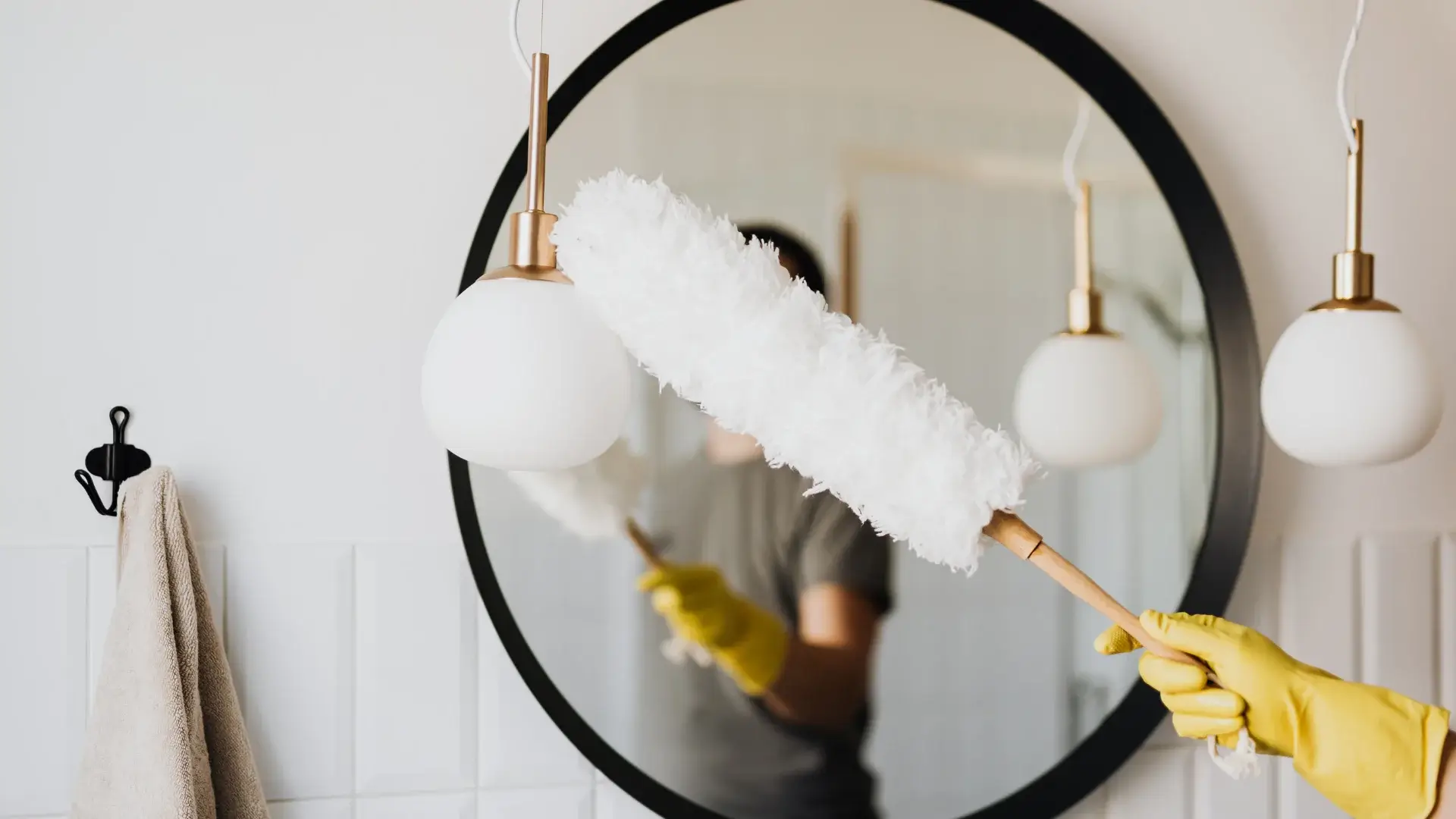
Lambswool dusters contain lanolin — a natural oil found in wool. This oil helps attract and lightly hold dust particles rather than immediately releasing them.
Lambswool is particularly useful for delicate surfaces, irregular shapes, and high ledges. However, like all natural dusters, they require maintenance.
They must be taken outdoors and gently “beaten out” or shaken to release accumulated dust. Without this step, they become saturated and less effective.
Synthetic Fluffy Dusters and Static Electricity
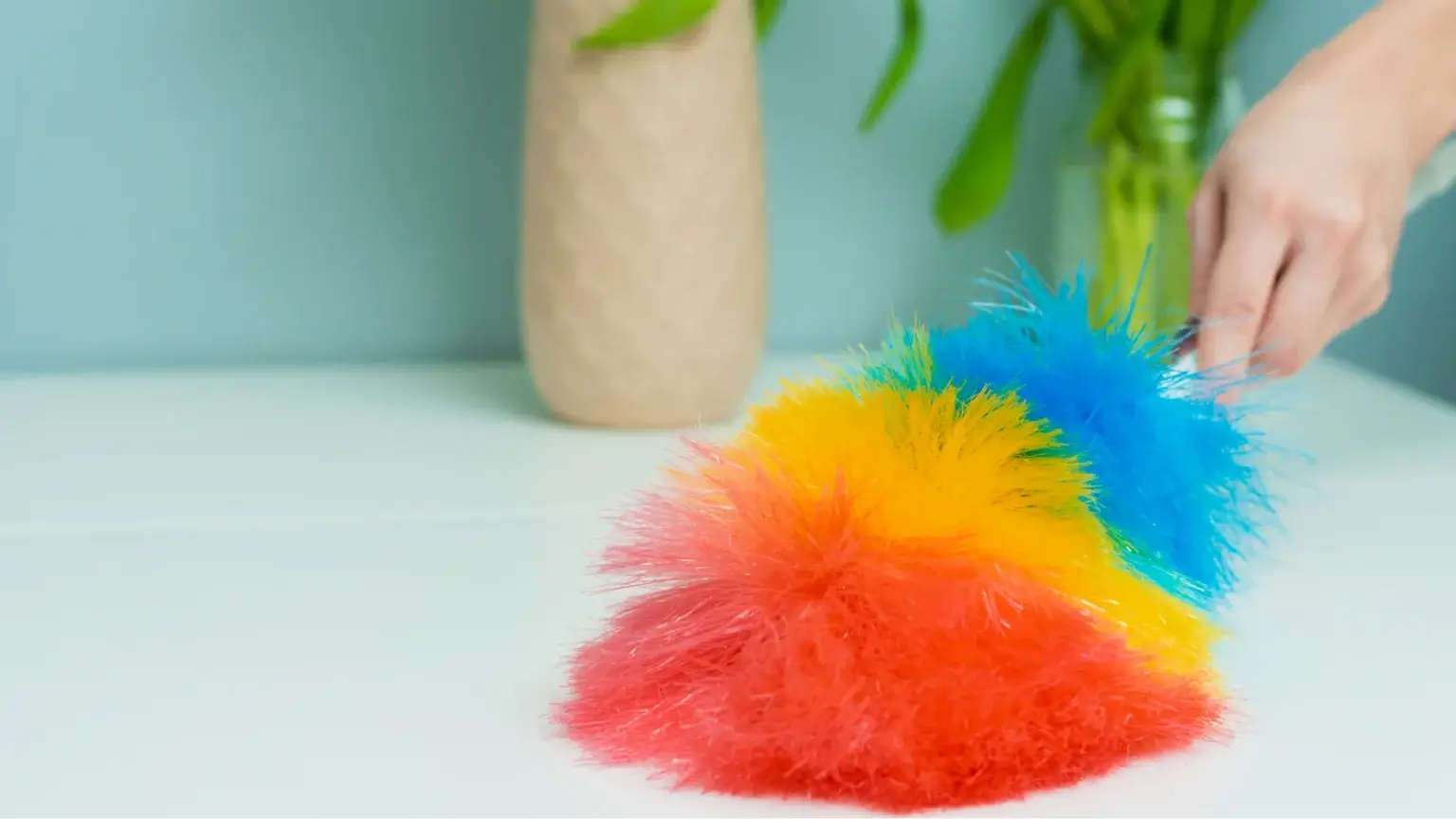
Synthetic fluffy dusters use static electricity to pull in dust. As the fibers move, they create a mild charge that helps attract particles.
“These electrostatic properties help attract and hold dust rather than dispersing it into the air.” https://www.cleaninginstitute.org/understanding-cleaning/microfiber
These can be useful for light maintenance dusting but, like natural tools, must be cleaned regularly. If overloaded, they will begin redistributing dust instead of collecting it.
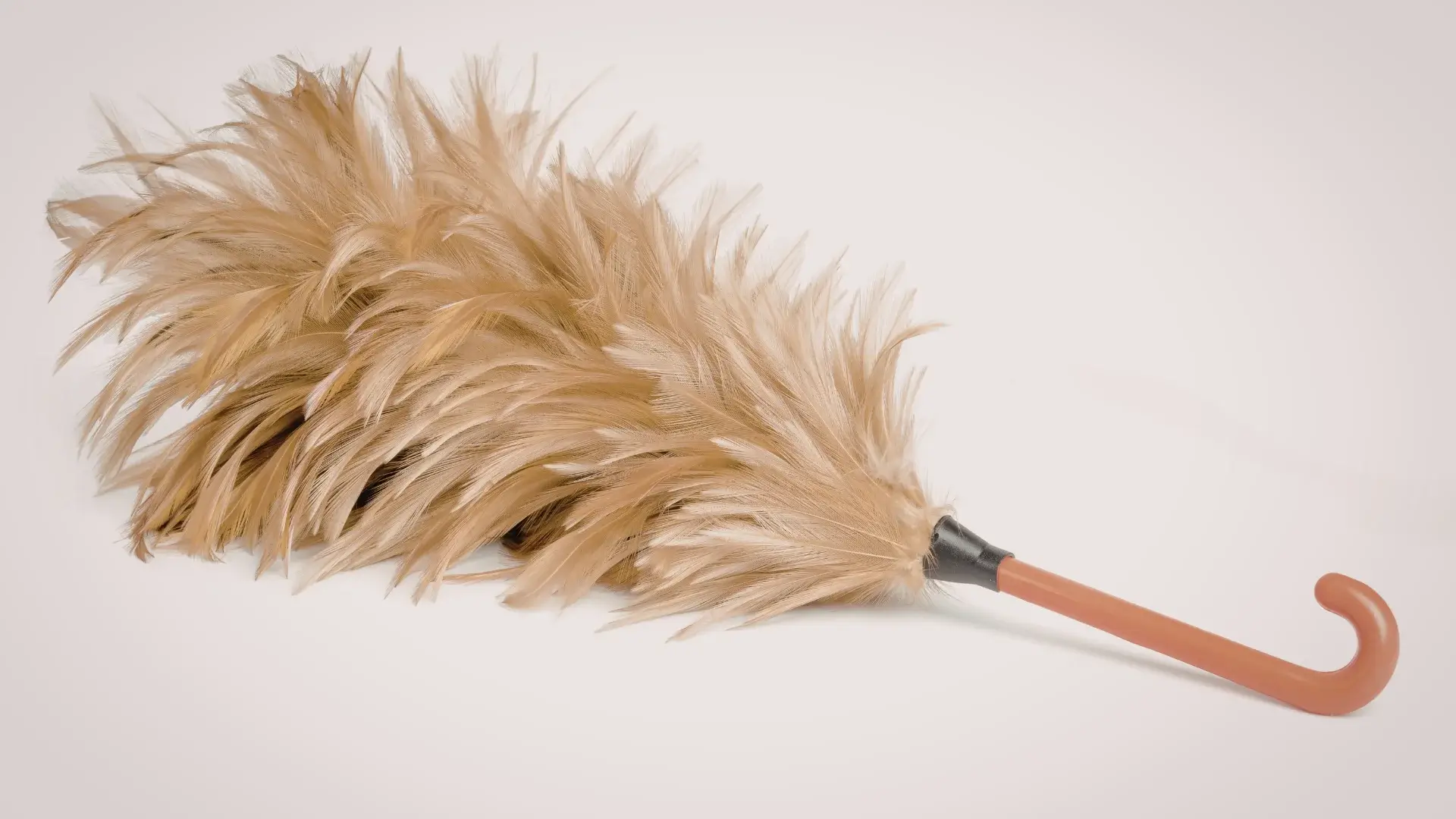
Ostrich Feather Dusters and Natural Oils
Ostrich feather dusters are often used on fine furniture and sensitive equipment. The feathers contain natural oils that gently attract dust without scratching surfaces.
They are ideal for detailed or fragile areas, but they also need to be shaken out regularly to stay effective. For antiques and artwork, imported fine horsehair brushes are often the safest option for carefully removing dust from delicate or intricate pieces.
All Natural Dusters Require Maintenance
One common misunderstanding is that natural dusters are “self-cleaning.” They are not.
Whether lambswool, ostrich feather, or even horse hair bushes these tools must be taken outside and cleaned manually. Otherwise, the captured dust simply accumulates within the fibers.
In commercial environments, maintenance discipline is critical. Tools that are not cleaned properly compromise indoor air quality.
“High dusting services help remove dust and contaminants from areas that are often overlooked, contributing to a healthier and more productive environment for everyone in the facility.” https://squeegeesquad.com/commercial/the-importance-of-commercial-high-dusting-a-comprehensive-guide/
The Rise of Eco-Friendly Fibers
As more businesses in Peoria, East Peoria, Morton, and Washington look for more eco-friendly options, preference for materials that don’t harm the environment is growing.
Bamboo is becoming popular when it comes to cleaning products. It grows fast, is renewable, and usually takes fewer resources to produce than traditional materials.
Why Dusting Matters in Commercial Buildings
Dust in a commercial building isn’t just about looks. It affects the air people breathe, how comfortable employees feel, how customers see your space, how long equipment lasts, and how well your HVAC system runs.
“Indoor air quality can affect worker productivity and overall workplace performance.” https://www.osha.gov/indoor-air-quality
Cleaning it properly helps create a healthier, more comfortable place to work.
“Managing dust properly requires more than a quick sweep or occasional surface wipe… dust clogs filters, settles in ducts, and makes equipment work harder, leading to higher energy bills and shortened equipment lifespan.” https://www.tidyteamservices.com/dust-control-in-commercial-buildings-why-it-matters-more-tha n-you-think/
Experience Matters
When Personal Touch Service Solutions cleans commercial facilities in Peoria, East Peoria, Morton, and Washington, Illinois, clients benefit from 37 years of experience caring for buildings properly.
Dusting is not an afterthought at Personal Touch. It is part of a structured system designed to protect your building and support the people who use it every day.
If you are responsible for maintaining a commercial facility and would like your cleaning handled with expertise built over nearly four decades, Personal Touch is ready to serve.
FAQs, High Dusting in Peoria
-
What is high-dusting in commercial facilities?
High-dusting is cleaning elevated surfaces like vents, beams, lights, rafters, and ceiling-mounted equipment to reduce dust that affects appearance and indoor air quality.
-
Why does microfiber work better than cotton for dusting?
Microfiber traps particles inside its weave. Cotton often pushes dust across the surface and back into the air.
-
How should you wash microfiber cloths to keep them effective?
Wash microfiber separately from cotton or terry cloth. Avoid fabric softener. Dry on low heat to help the fibers keep their grip.
-
Do natural dusters like lambswool or ostrich feathers need maintenance?
Yes. You must take them outside and shake or beat them out. If you skip this, they overload and start redistributing dust.
-
Why does dust control matter for HVAC and employee comfort?
Dust can clog filters, settle in ducts, and reduce HVAC efficiency. Poor dust control can also irritate allergies and make spaces feel stale.