
Seeing What Others See: The Art of Making Your Building Clean and Welcoming
In the world of business and commercial real estate, first impressions are made before anyone speaks. The moment a client steps into the lobby or a client clocks in for work, they judge the space by what they see, feel, or smell and it shapes how they view the company and how they feel about being there. This is far more telling than your mission statement. A clean and thoughtfully maintained space sends a message: You are welcome here. You are valued. And that message matters deeply to the people who show up everyday.
There are two types of customers in an office building. The type you sell to and those you depend on to operate your business. Everyone in your building deserves an environment that feels safe, beautiful and cared for.
The environment you create for your employees is directly linked to the experience your clients will have. When you have happy and focused employees you get happy clients. The space where they work is a silent but huge contributor to that success.
Let’s explore the art and strategy behind creating spaces that are not only clean, but also welcoming, intentional, and aligned with the human experience.
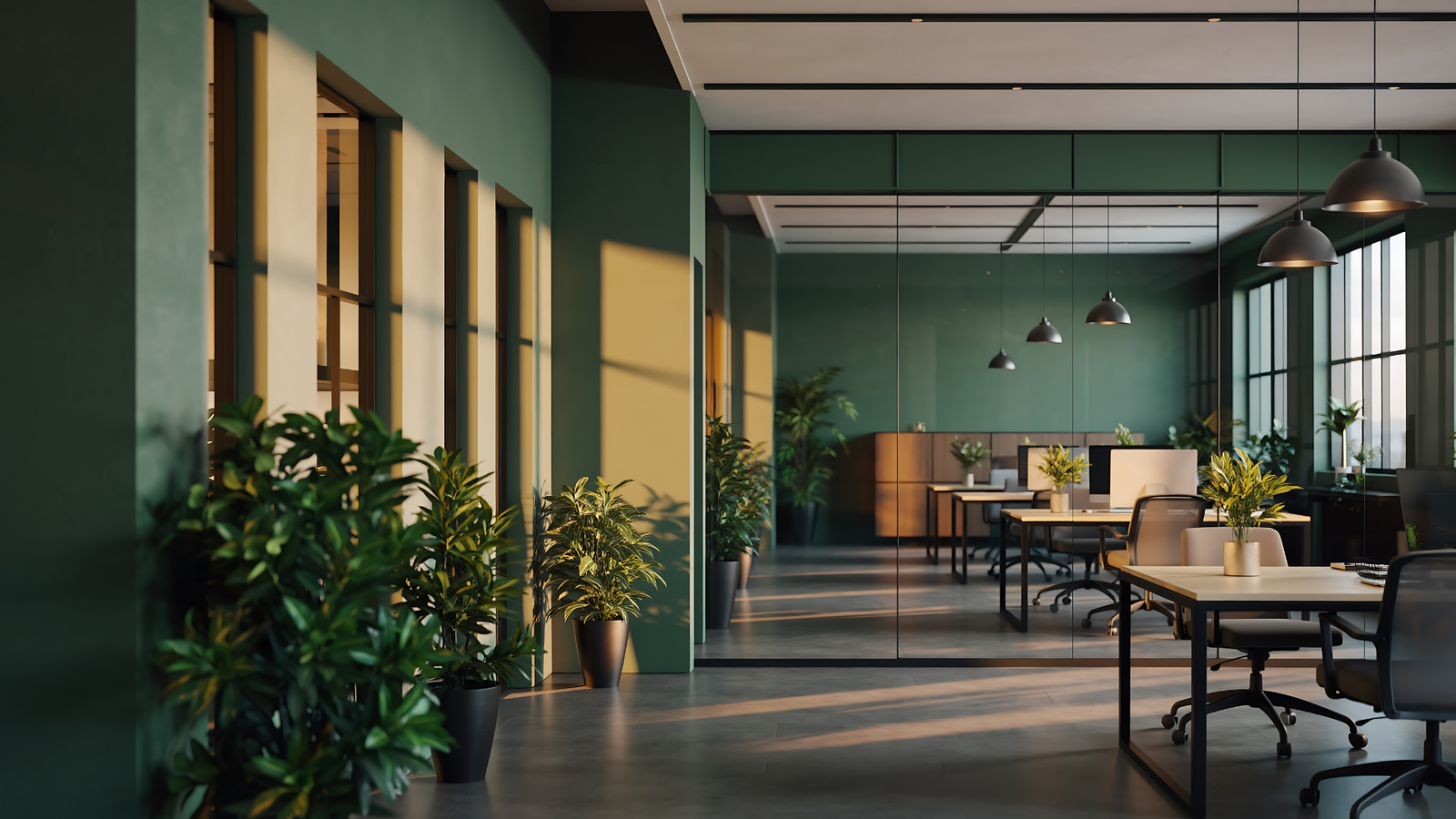
A Building’s Energy Begins with Its Feel
Remember that saying, “People may not always remember what you said or did, but they’ll remember how you made them feel”. That same principle applies to buildings.
The “feel” of a space is not only about temperature or lighting. The atmosphere, color, scent, sound, and layout trigger an emotional and psychological response. A bright, open, clean lobby signals confidence while cluttered, dim, dusty workspace communicates neglect. Clients won’t always articulate it, but they will feel it. And employees will absorb it over time.
When you step into your building, ask yourself: • What would someone notice in the first 30 seconds? • Is the atmosphere warm and easy, or sterile and harsh? • Are there welcoming cues, such as greenery, art, or natural light? The goal is to curate an experience—not just maintain a space.
Cleanliness as a Standard of Care
Cleanliness is the foundation to creating a pleasant experience. It’s easy to take for granted how much a clean building contributes to a sense of order, safety, and respect.
Clean floors, dust-free surfaces, spotless windows, and fresh-smelling restrooms all signal: We care. On the other hand, dirty baseboards, overflowing trash, or smudged glass leave visitors with quiet doubts. They may not say anything, but the impression is clear: If this space isn’t taken care of, what else isn’t being managed well?
More than appearance, cleanliness contributes to employee health, productivity, and morale. Regular cleaning reduces allergens, bacteria, and viruses—especially in shared spaces like conference rooms, kitchens, and restrooms. When employees feel that their environment is being cared for, they feel cared for too.
Designing for Both Customers and Employees
While aesthetics often focus on impressing customers, your employees are customers too— internal ones. Your employees spend the most time in your building. Workplace surroundings may affect their focus, mood, and creativity. When designing or updating your space, consider what would make your employees feel better supported.
Think about:
- Comfortable break areas that offer a genuine moment of rest
- Quiet zones for focused work
- Natural light in shared spaces and individual offices
- Inspiring art work and plants that spruce up the place
For customers, pay attention to how welcoming your lobby and waiting areas feel. Are they clutter-free? Is the furniture clean and modern? Are guests offered water or coffee? Even small details like fresh flowers or reading material show thoughtfulness and hospitality.
Color Psychology and Design Trends
Color greatly impacts mood and perception. The days of beige everything are long over. Today, successful office design incorporates color intentionally, based on both psychology and modern aesthetic trends.
- Blue supports calm and trust. Many financial and counseling offices use it for that reason.
- Green supports balance and well-being. It works well in healthcare and wellness settings.
- Yellow and orange add energy and creativity when used in small amounts.
- Neutral tones create balance and make accent colors stand out.
Before you choose paint or upholstery, consider consulting with a design professional or reviewing research on color psychology. There’s real science behind how people respond to different tones, and using color intentionally can elevate your space far beyond the standard commercial palette.
Current office trends make use of natural elements. Plants, wood, and organic textures help people feel more at ease. Soft lighting and simple lines replace harsh, sterile interiors. These choices improve comfort and make spaces feel more inviting without adding clutter.
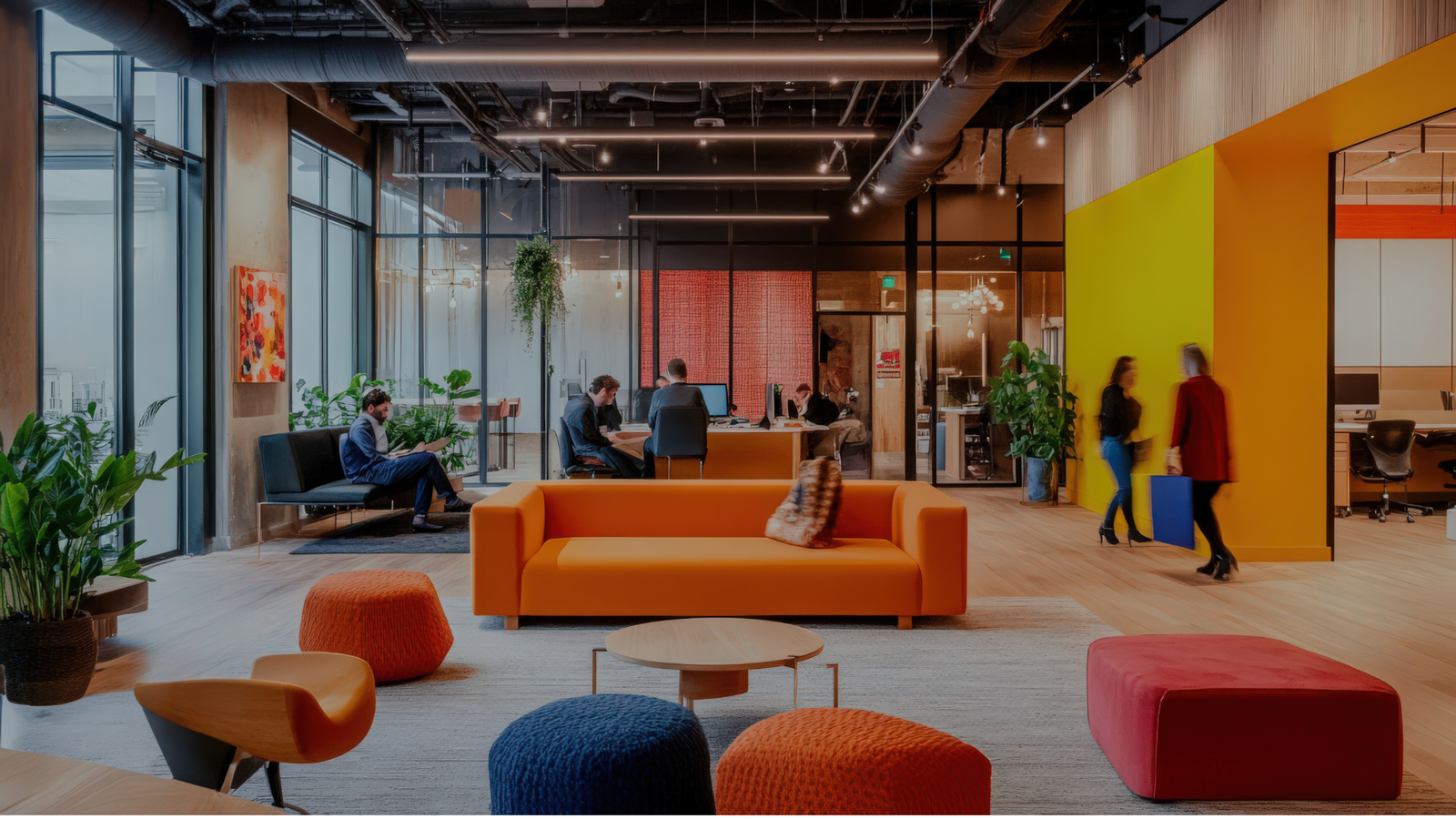
Make Waiting Areas Matter
The waiting area is the first impression zone in many buildings. It’s where people wait for an interview, a meeting, a service. Their experience in this space sets the tone so it should be comfortable, clean and calming.
- Choose ergonomic and stylish seating, not institutional.
- Use soft lighting instead of fluorescents
- Use gentle music, and a light scent to help people relax while they wait.
- Keep the area clean and clutter-free.
- This is not the place to store paperwork or packages.
And most importantly, keep everything in working condition. A torn chair or flickering light may seem minor, but it silently communicates a neglect. On the other hand, a well-maintained waiting area conveys respect.
Light, Air, and What’s at Eye Level
Some of the most important design details are easy to miss. Natural light is one of them. People value it more than many visible features. Clean windows and open blinds let sunlight reach more of the space. Furniture placement also matters. When light moves freely, people feel more alert and comfortable.
Air quality matters just as much. Many buildings overlook it. Stale air, dust, or uneven temperatures cause discomfort fast. Change furnace filters on a regular schedule. Maintain HVAC systems. Use air purifiers where needed. These steps improve comfort and reduce complaints.
What people see at eye level shapes how they judge a space. Most people scan their surroundings from where they sit or stand. That makes these details important.
- Keep signage clean, current, and easy to read
- Repair or replace damaged wall art
- Clean corners, windowsills, and baseboards
These areas draw more attention than most people expect. When you manage sight lines with care, the space feels organized and welcoming.
Clutter Blindness Creates Risk
“For over a half century now I’ve watched office obesity develop into a full-blown, crippling disease… as our office clutter mounts, we’re ever more intimidated and frustrated by it.” — Don Aslett
Clutter blindness develops over time. When people see the same mess every day, get used to it and stop noticing it. Boxes in a corner or crowded shelves blend into the background. Visitors notice them immediately.
You can prevent this by reviewing your space with fresh eyes.
- Walk through your building as if it is your first visit
- Sit in waiting areas and shared spaces
- Look at what stands out at eye level
- Ask someone outside your team for honest feedback
Professional cleaners help with this process. They notice problem areas others overlook. They help prevent buildup before it becomes a pattern.
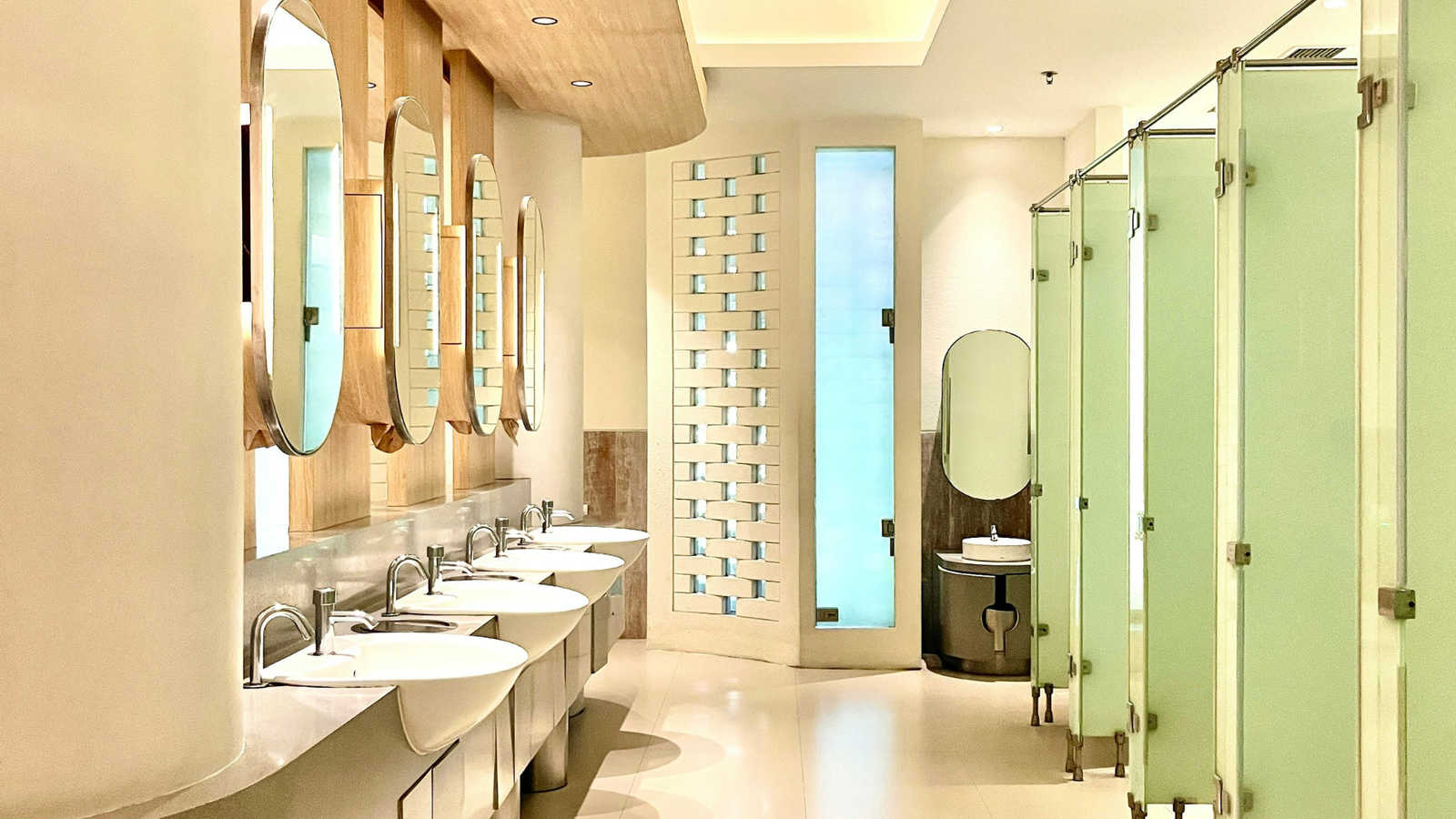
Clean Buildings Signal Care
A well-maintained building shows care for the people inside it. It affects trust, comfort, and daily performance. Your building supports your brand, your culture, and your leadership. Cleanliness reflects your standards. It is not optional.
Your environment tells a story. It influences how people feel about working for you and doing business with you.
At Personal Touch, we help businesses see what visitors see. We focus on consistency, detail, and care. When a space feels cared for, people feel cared for. That affects retention, reputation, and results.
Frequently Asked Questions
Why does cleanliness affect first impressions in a building?
People notice sight, smell, and order in the first moments. Clean floors, fresh restrooms, and clear entry areas signal care and competence.
How does cleanliness impact employees day to day?
Cleanliness supports health, focus, and morale. Regular cleaning helps cut allergens, bacteria, and viruses in shared areas like kitchens, restrooms, and conference rooms.
What areas should you prioritize to keep a space welcoming?
Prioritize the lobby, waiting areas, restrooms, and high touch points like door handles, elevator buttons, and shared equipment. Keep windows, baseboards, and signage clean too.
How can you improve air quality as part of cleanliness?
Change HVAC filters on schedule, maintain the system, and use air purifiers where needed. Reduce dust with regular vacuuming and surface cleaning, especially vents and corners.
How do you prevent clutter from becoming invisible to your team?
Walk the building like a first time visitor. Sit in waiting areas, scan eye level details, and ask an outside person for feedback. Schedule routine deep cleaning to stop buildup.