
Caring for Historic Masonry: Safe Cleaning, Inspection, and Preservation
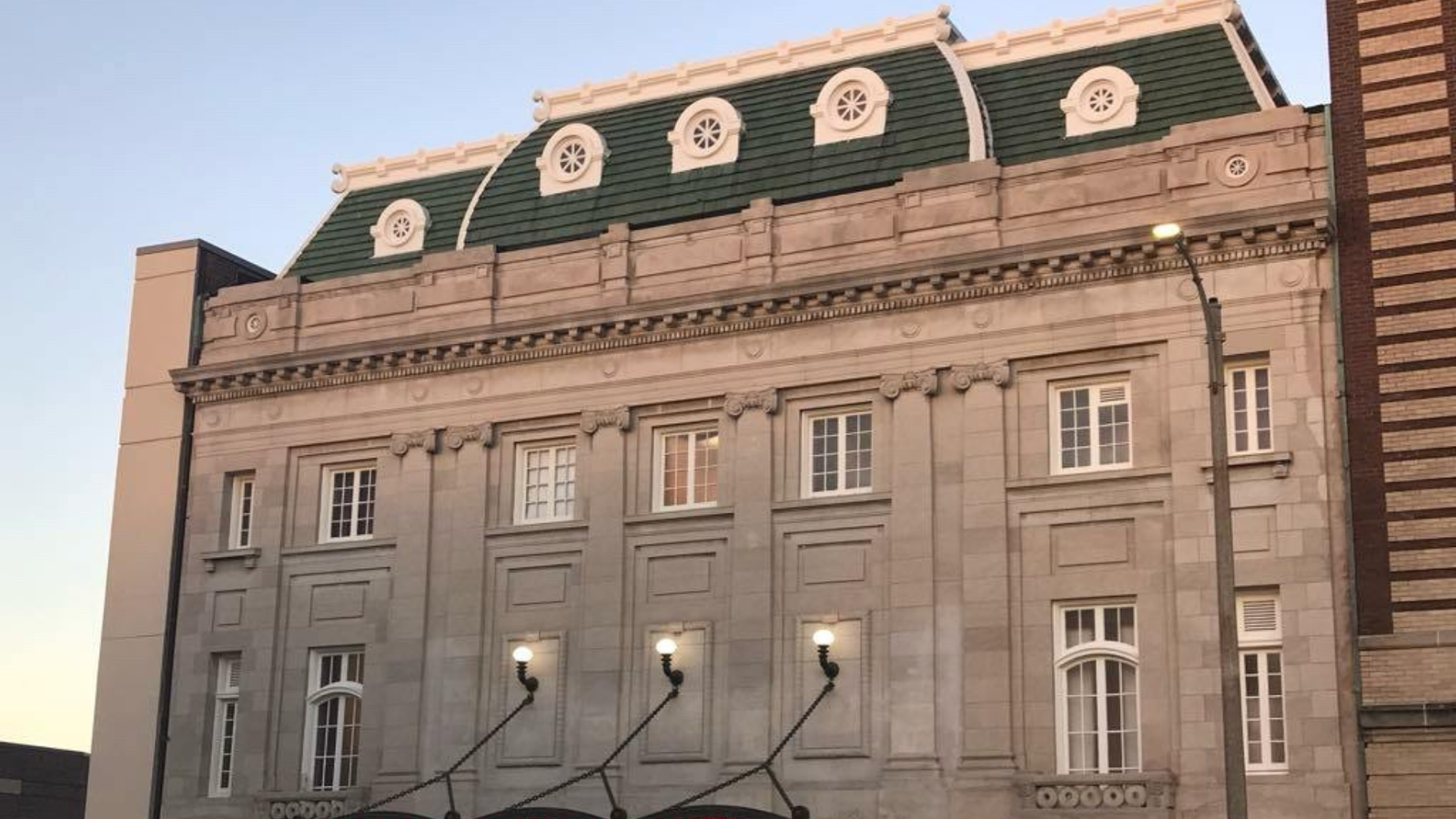
Brick and stone have stood the test of time. They are more than structural materials—they reflect history. As the National Trust for Historic Preservation reminds us:
“A concerted effort to preserve our heritage is a vital link to our cultural, educational, aesthetic, inspirational, and economic legacies.” – Why does historic preservation matter?
Here at Personal Touch, we clean, restore, and preserve historic masonry while respecting the materials that were used and the stories they tell. Whether it’s a centuries-old church or a family home with a limestone foundation, each structure receives appropriate and thoughtful care.
Many people assume masonry is indestructible. In truth, it’s incredibly resilient—but not immune to damage. The wrong cleaning method or mortar type can do more harm than good. That’s why our approach is based on both science and artistry.
Gentle Cleaning: Protecting Fragile Brick and Stone
Some common mistakes in caring for older buildings include using high water pressure and harsh chemicals. Improper cleaning can severely damage crumbly brick or soft natural stone.
The National Park Service warns:
“Cleaning a historic masonry building should always be done using the gentlest means possible that will clean, but not damage the building.” – Preservation Brief 01 Cleaning Masonry PDF
They further caution:
“Inappropriate cleaning and coating treatments are a major cause of damage to historic masonry buildings.” – Preservation Brief 01 Cleaning Masonry PDF
Personal Touch uses carefully calibrated low-pressure water systems and masonry-safe detergents that remove dirt and biological growth without etching or weakening the material. We always test a small area first to ensure compatibility and avoid mishaps.
The Secretary of the Interior’s Standards reinforce this approach:
“Cleaning masonry surfaces with the gentlest method possible, such as low-pressure water and detergents, using natural bristle brushes.” – Rehabilitation Guidelines Masonry
Even homeowners trying to do the right thing with pressure washers can cause lasting damage by driving water deep into the pores of old brick, where it can freeze and expand during colder months, causing spalling and cracking.
The Missouri Main Street Connection further explains:
“As a rule, abrasion is an inappropriate cleaning method for historic materials because of the irreparable damage it will cause to the surface of the masonry.” – MMSC Cleaning Masonry Resource PDF
What’s Growing on Your Walls?
In Illinois and much of the Midwest, historic limestone buildings develop black biological staining from algae, mildew, and pollution. The discoloration is not only cosmetic—it can accelerate deterioration.
We offer safe biological growth removal using cleaning agents that are effective without being corrosive. Once cleaned, we recommend silane- or siloxane-based sealers—breathable water-repellent treatments that help shed water while allowing trapped moisture to escape.
The U.S. General Services Administration explains:
“Water-repellent treatments must allow water vapor to escape from the masonry while preventing liquid water from entering.” – Historic Preservation Policy Tools, Technical Procedures, Water Repellant Treatments for Historic Masonry Buildings
These sealers are especially useful on Joliet limestone, which can crack and flake when moisture becomes trapped under non-breathable coatings. During freeze-thaw cycles, trapped moisture expands and causes the stone to break apart.
Climbing Vines: Pretty but Problematic
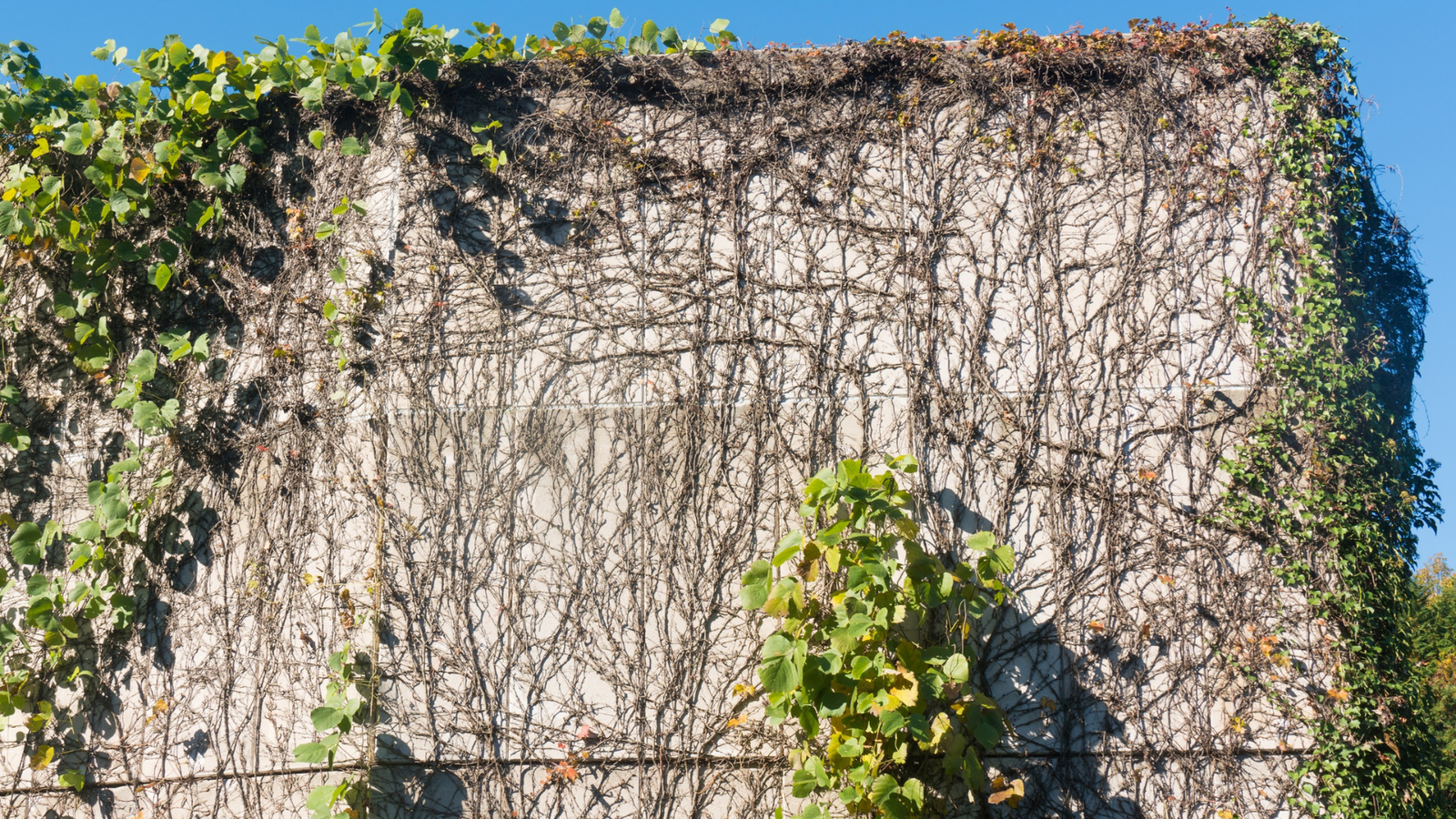
Ivy-covered walls may look romantic—but they can wreak havoc on masonry surfaces. Tendrils burrow into mortar joints and soft stone, trapping moisture and accelerating decay.
The National Park Service advises:
“Vines and ivy can cause physical damage to masonry and should be carefully removed.” – 45 Preservation of Historic Wooden Porches
In some cases, vine removal reveals broken bricks or loosened mortar underneath. We recommend wall inspections and early removal of aggressive vine growth to catch problems before they worsen.
Free Inspections: Spotting the Signs Early
Our team provides free on-site masonry inspections, especially for historic buildings. We know what to look for:
-
- Mortar joints that have failed or eroded
- Bowing or bulging walls indicating structural stress
- Stairstep cracks in foundations
- Spalling bricks caused by incompatible mortar
Improper repointing—especially with mortar that is too hard—can cause historic bricks to crack and lose their faces. The Secretary of the Interior’s Standards recommend:
“Removing deteriorated mortar by carefully hand-raking the joints to avoid damaging the masonry. Duplicating old mortar in strength, composition, color, and texture.” – Rehabilitation Guidelines Masonry
Matching the original mortar’s hardness and porosity protects surrounding materials and preserves the building’s integrity.
Masonry Magazine explains why expertise matters:
“With greater knowledge of historic masonry material properties, wall systems, condition assessments, and best practices… professionals can develop and implement appropriate solutions.” – https://masonrymagazine.com/Default?pageID=1078
Paint with Caution: Let the Walls Breathe
Modern latex or acrylic paints can trap moisture inside historic masonry walls. When moisture has nowhere to escape, it can lead to blistering, peeling, decay, and mold growth.
If painting is necessary, only mineral-based silicate paints should be used. These allow walls to breathe while providing color and weather resistance.
Breathability is essential for long-term performance, and inappropriate coatings often require costly removal to restore proper moisture movement.
Dry Stack Stone Walls: Old World Craft, Modern Purpose
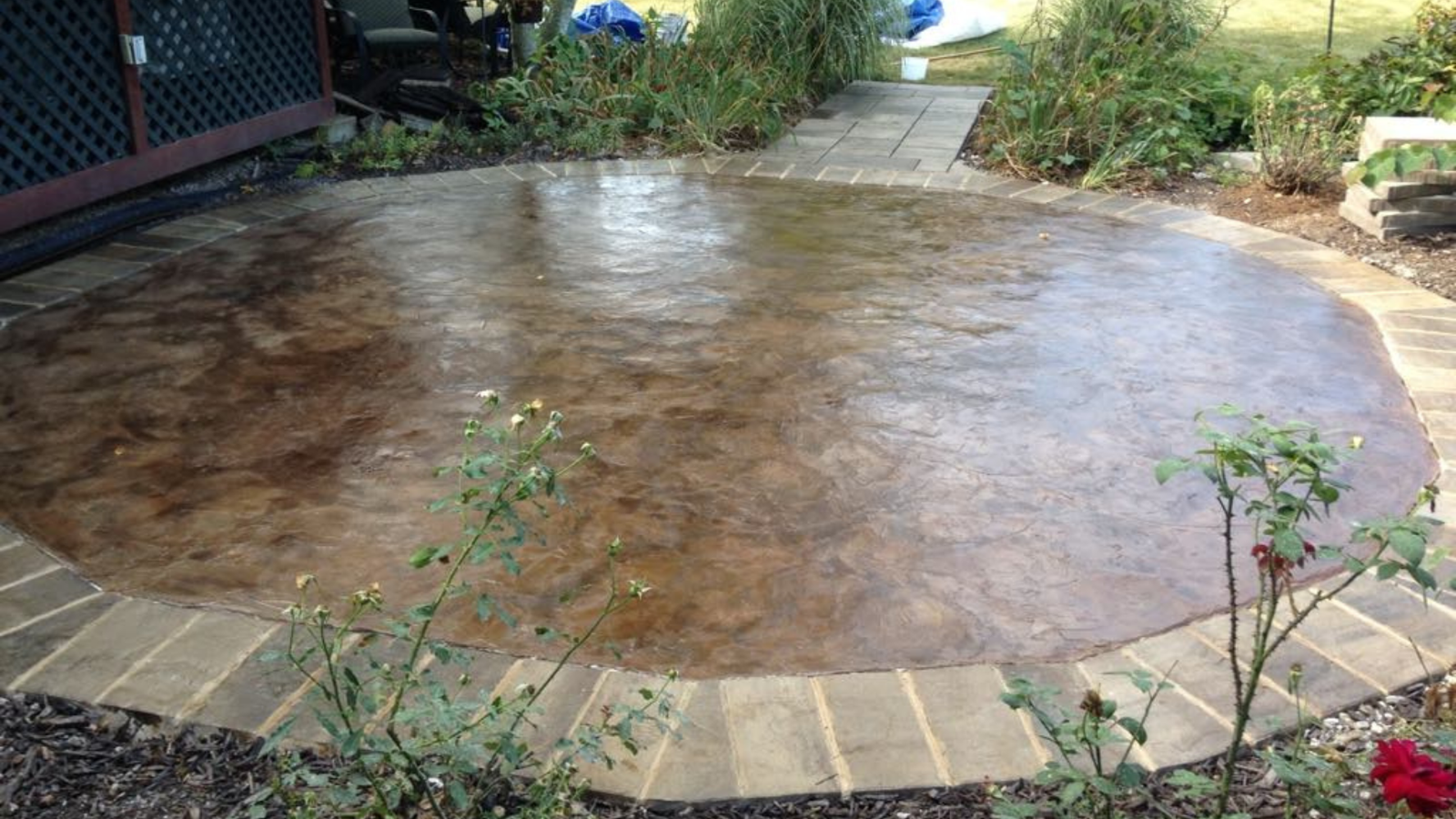
Dry stack stone walls—built without mortar—are a timeless way to define garden beds, create raised planting areas, or edge pathways. These walls rely on gravity, skill, and careful placement. When laid properly, they last for generations.
Whether you’re restoring a crumbling wall or envisioning a new one, we guide the design and construction to ensure lasting beauty and strength.
The Stone Trust, an authority on dry stone construction, emphasizes:
“Dry stone walls are built entirely without mortar, relying on careful stone selection and placement for stability and longevity.” – https://thestonetrust.org/what-is-dry-stone/
The Personal Touch: Stone That’s Cared For, Not Just Cleaned
At Personal Touch, we bring deep knowledge, skilled hands, and a preservationist’s heart to every project. Whether it’s cleaning limestone without causing damage, identifying structural risks before they become emergencies, or building timeless garden borders—we approach every stone as if it matters.
Because it does.
We don’t just clean buildings. We protect stories.
If you own a historic home or church, we invite you to schedule a free inspection. We’ll walk your property, share what we see, and offer gentle, effective ways to keep your brick and stone looking and performing their best.
Because historic masonry is more than material. It’s memory. And we believe it deserves to endure. Reach out today to schedule your inspection—or simply to talk through what’s possible.
FAQs, Caring for Historic Masonry
What is the safest way to clean historic masonry?
Use the gentlest method that removes soil without damaging the surface. Low-pressure water, masonry-safe detergents, and natural bristle brushes work best, and you should always test a small area first.
Why can pressure washing damage old brick or stone?
High pressure can erode soft surfaces and push water deep into masonry pores. That trapped moisture can freeze and expand, which can cause spalling, cracking, and long-term deterioration.
What causes black staining on historic limestone walls?
Biological growth like algae and mildew, plus pollution, can create dark staining. It is not only cosmetic, it can hold moisture and speed up surface breakdown if left untreated.
Are water-repellent sealers safe for historic masonry?
Yes, when you use breathable treatments like silane or siloxane. They help repel liquid water while still allowing water vapor to escape, which helps reduce freeze-thaw damage.
Why does mortar matching matter when repointing historic brick?
Historic bricks can crack if the new mortar is too hard or not compatible. Matching the original mortar’s strength, composition, and porosity protects the brick and preserves the wall’s integrity.