



The Importance of Periodic Deep Cleaning in Commercial Facilities: Protecting Your Investment and Indoor Air Quality
In maintaining commercial buildings, most companies know how important daily janitorial services are. Restrooms should be clean, trash cans should be empty, floors should be sparkling and that is just the expectation for any business that welcomes staff, clients and visitors.
These daily tasks are essential in keeping the surroundings beautiful and supporting infectious disease control. But this just represents only one layer of what proper facility maintenance truly requires.
Beyond daily cleaning, there’s a deeper level of care that makes a real difference over time. It helps your building last longer, keeps the air healthier to breathe, and protects the investment you’ve made. This deeper layer is periodic, rotational cleaning.
“Deep cleaning isn’t only about aesthetics; it’s a strategic investment in facility health and longevity.”-Josh Swart, deep cleaning expert
Why Daily Cleaning Is Not Enough
Daily janitorial services are meant to handle what people notice right away. The things everyone sees and touches, such as desks, restrooms, door handles, breakrooms, and high-traffic areas. This kind of cleaning helps keep spaces looking orderly and plays an important role in reducing the spread of illness.
Disinfectants are especially important on shared surfaces where germs spread most easily. Over the past few years, many workplaces have become far more aware of how much these daily routines matter when it comes to protecting people’s health.
But daily cleaning only goes so far.
What it doesn’t address is what builds up slowly over time in the places most people don’t look. Dust settles along carpet edges. Allergens sink into upholstery. Residue collects on walls, vents, and baseboards. These areas rarely get attention during a
standard clean, and without deeper maintenance, they can quietly affect air quality and wear down floors, carpets, and furnishings long before their time.
Think of your facility the same way you would a vehicle. Routine cleaning is like washing the exterior and vacuuming the seats—it keeps things presentable. But without oil changes, tire rotations, and detailed maintenance, that vehicle will degrade. A facility is no different.
What Is Periodic or Rotational Cleaning?
Periodic cleaning refers to scheduled maintenance tasks that are not performed daily but are essential on a weekly, monthly, quarterly, or annual basis. These services go beyond surface-level cleaning and target areas where dirt and contaminants accumulate out of sight.
Examples of periodic cleaning include:
- High and low dusting of vents, ledges, and baseboards
- Edge vacuuming where carpet meets walls
- Deep carpet extraction to remove embedded soils
- Upholstery cleaning to remove allergens and preserve fabric
- Wall washing to remove scuffs, stains, and airborne residue
- Floor stripping and waxing for VCT and hard floor protection
- Power washing exterior walkways and entrances
These services are not simply aesthetic. They reduce airborne particle load, remove allergens and mold spores, and help preserve the value of a building by preventing early deterioration of surfaces and materials.
The Link Between Deep Cleaning and Indoor Air Quality
Indoor air quality is often overlooked in a healthy workplace. A building can look clean on the surface and still have air that feels stale or uncomfortable. When daily cleaning is done without periodic deep maintenance, pollutants can quietly build up over time.
Dust, pollen, dander, chemical residue, and other particles settle into carpets, upholstery, and areas around vents and air systems. When people walk through a
space or air circulates, those particles are stirred back into the air. For some people, this can lead to headaches, fatigue, breathing irritation, or flare-ups of allergies and asthma.
Deeper cleaning practices make a real difference here. Regular high and low dusting, edge vacuuming, carpet extraction, and wall washing help remove what daily cleaning leaves behind. The result is cleaner air, fewer irritants, and a more comfortable environment for the people who spend their days there.
Organizations that pay attention to indoor air quality often notice the benefits over time. Employees tend to feel better, miss fewer days, and stay more engaged. On the other hand, when these issues are ignored, the effects usually show up slowly. The space may not seem problematic at first, but over time it can begin to feel heavy, worn, and less healthy than it should.
Why Some Vendors Leave Out Detail Cleaning in Proposals
In a competitive janitorial market, pricing is always the deciding factor and to offer the lowest possible bid, some vendors remove periodic cleaning services from their base proposals.
This creates two common issues:
- Clients assume these services are included when they are not. Over time, signs of neglect appear.
- When deep cleaning becomes necessary, it is added later as an unplanned—and often more expensive—service.
At Personal Touch, we believe transparency builds trust. We take time to educate clients on the full scope of their facility’s needs, including periodic services that support long-term care.
Rotational cleaning may be included in a service agreement or scheduled as a recurring add-on based on the building’s use, traffic, and materials. This allows clients to plan and budget proactively rather than reactively.
Protecting the Value of Your Building’s Assets
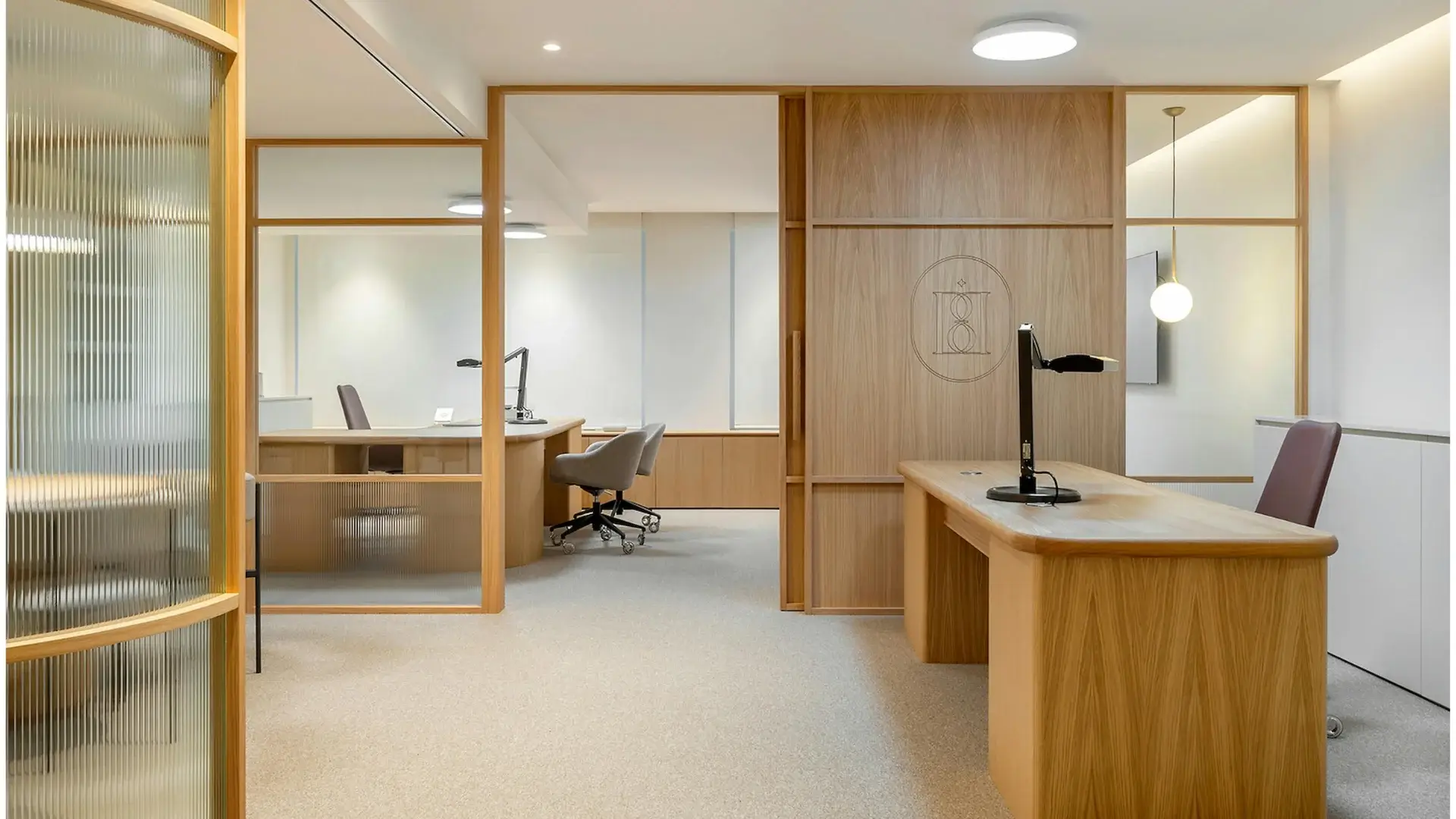
Every facility contains assets worth protecting—carpet, flooring, furniture, walls, and air systems represent substantial investments. Without proper maintenance, these assets stain, wear prematurely, or require early replacement.
This isn’t just a financial concern—it’s a reputation concern. Employees and visitors notice when a space feels neglected, even if it appears “clean.”
Periodic cleaning extends the life of building materials, maintains a professional appearance, and supports a healthier environment. Floor stripping and waxing protect surfaces from scratches and moisture. Upholstery cleaning preserves furniture and prevents costly replacements.
When detail cleaning is built into a long-term maintenance plan, costs become predictable and far more manageable.
Choosing a Vendor Who Sees the Whole Picture
The best janitorial partner looks beyond daily checklists. A thoughtful cleaning provider understands how a facility changes over time and builds a maintenance plan that keeps it clean, protects its surfaces, supports healthy air, and maintains a professional look. Our teams are trained not only in proper disinfecting protocols but also in comprehensive facility care. We communicate clearly about what is included, what should be planned for, and how to protect your investment over time.
At Personal Touch, we see cleaning as a partnership, not just a service.
The Bottom Line
If commercial facilities want to protect their assets, support the quality of their indoor air and maintain a professional image, periodic rotational cleaning is a must.
Daily cleaning should be supported by deeper scheduled maintenance. Not opting for these services may save you money upfront but will lead to higher costs and problems later on.
The best approach is to work with a cleaning partner who educates, and plans long-term facility health.
If your building hasn’t received deep and detailed clean lately or if periodic services haven’t been discussed, it’s time to reassess your strategy. Let’s make sure your facility reflects the quality of your organization: clean, healthy and well cared for.
Frequently Asked Questions
What is periodic or rotational cleaning?
Periodic or rotational cleaning includes deeper maintenance tasks that are done on a scheduled basis, such as carpet extraction, high and low dusting, floor stripping and waxing, wall washing, and upholstery cleaning. These services support long-term facility health beyond daily janitorial work.
Why isn’t daily janitorial cleaning enough?
Daily cleaning focuses on visible areas and high-touch surfaces. Over time, dust, allergens, and residue build up in less visible areas that daily routines don’t address. Periodic cleaning prevents this buildup and helps protect air quality and building materials.
How does periodic cleaning improve indoor air quality?
Deep cleaning removes dust, allergens, and particles trapped in carpets, upholstery, vents, and hard-to-reach areas. This reduces airborne irritants and helps create a more comfortable, healthier environment for employees and visitors.
How often should periodic cleaning be scheduled?
The frequency depends on your building’s use, traffic levels, and materials. Some services are best done quarterly or annually, while others may be scheduled monthly. At Personal Touch, we help determine a schedule that fits your facility’s specific needs.
How does Personal Touch handle periodic cleaning differently?
We take a proactive, educational approach. Instead of leaving deep cleaning out of proposals, we explain what your facility needs to stay healthy and well maintained over time. Periodic services can be built into your plan or scheduled as recurring add-ons, so there are no surprises later.
Want to Learn More?
If you’re not sure whether your facility is due for periodic or rotational cleaning, we’re happy to help. We take a thoughtful, no-pressure approach and can walk through your space, answer questions, and help you understand what level of maintenance makes sense for your building.
A simple conversation now can help you plan ahead, protect your investment, and avoid surprises later.