



One of the most essential tools in maintaining a clean environment are vacuum cleaners. They’re so used in either home or commercial settings. Not all vacuum cleaners are the same and choosing the right one means thinking about your space, the surfaces you clean, the kind of filtration you need, and even how the machine feels to use day after day.
Types of Vacuums and Considerations for Home or Commercial Use
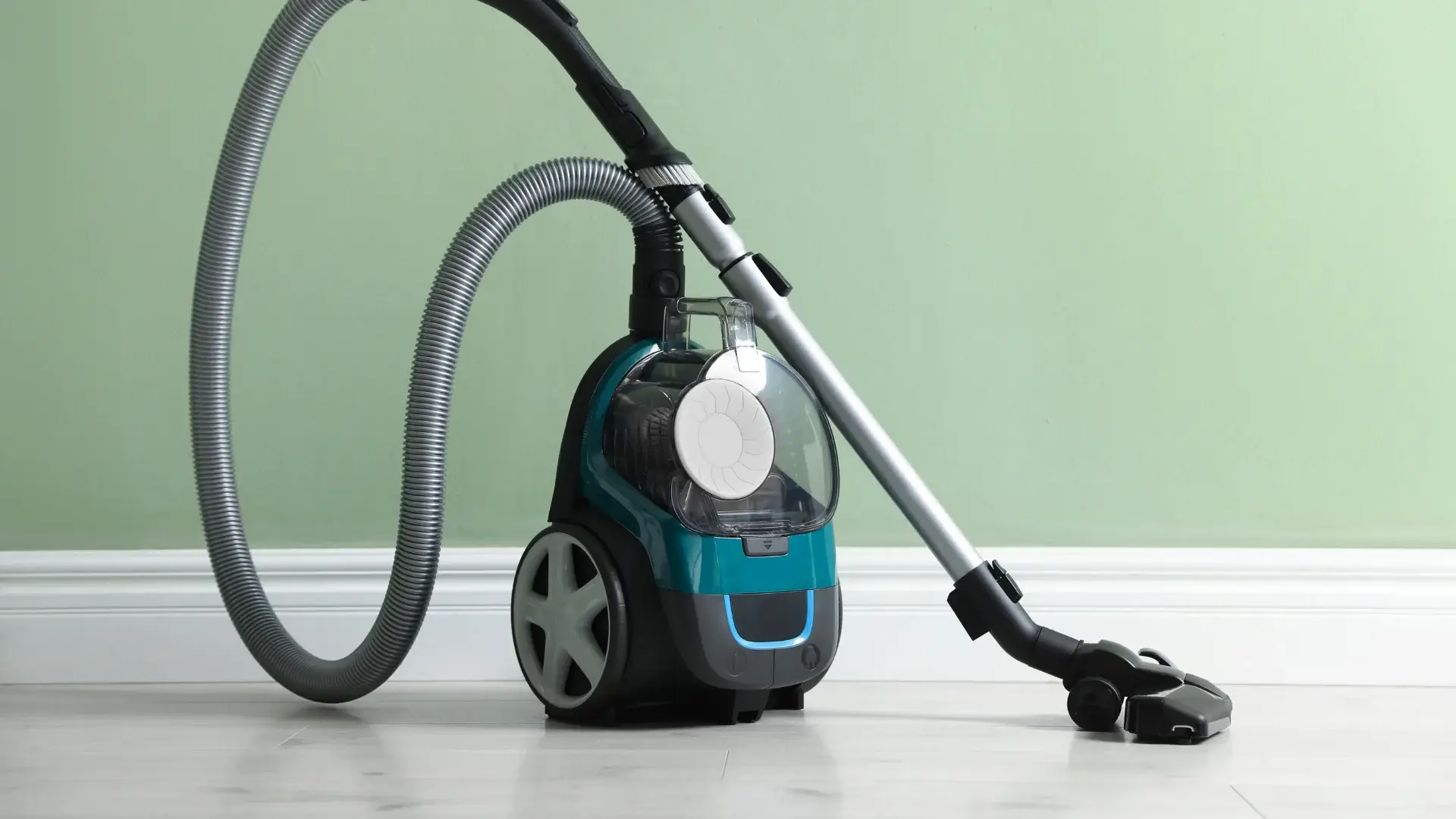
There are many kinds of vacuum cleaners. There are upright ones, canisters, backpacks, those for wide areas and models that are battery-powered. In commercial settings sturdy ones are preferred and are usually used for long periods. Many commercial upright vacuums have dual motors for powering the brush and for deep carpet cleaning. At home, vacuums should feel easy to use, light, easy to store and of course still need to be durable and strong.
“Many people assume that visible dust and dirt is picked up, but vacuum cleaning is pointless without thorough filtration.” — Dyson engineer Amy Wright
Vacuuming Technique and Why It Matters
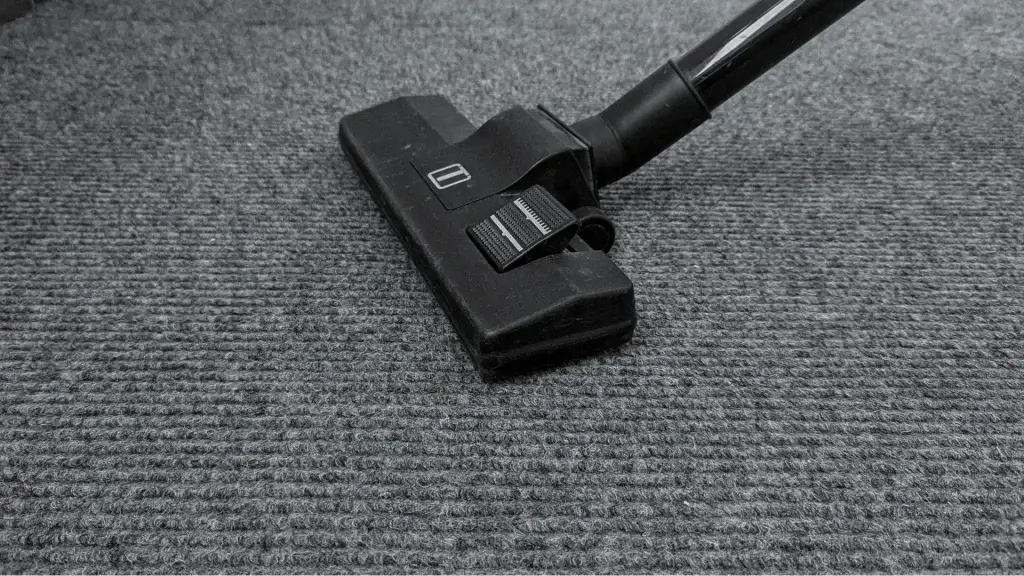
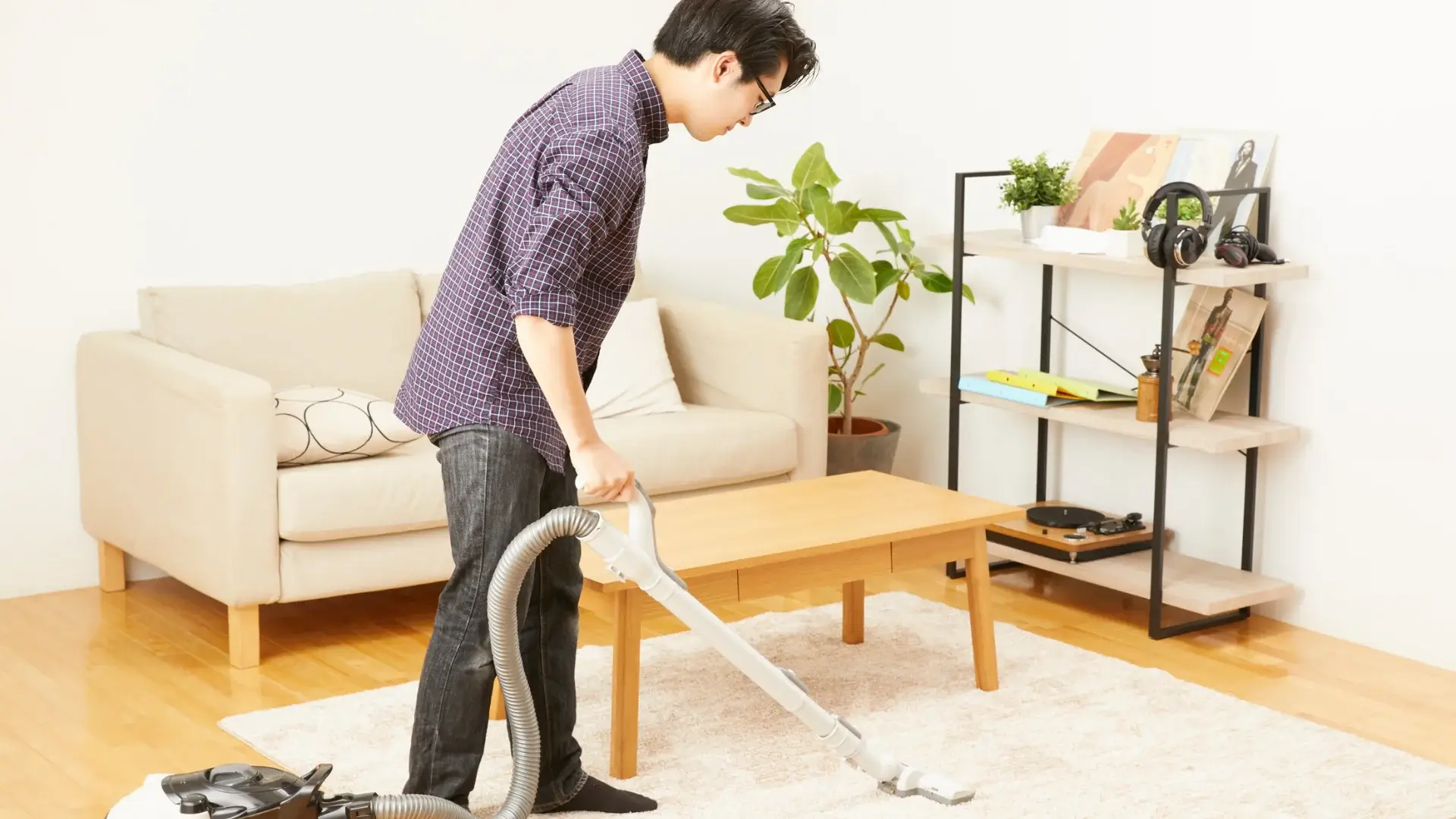
A vacuum’s performance depends not just on its power but also on how it’s used. To loosen and remove dirt, the vacuum must move slowly enough that the brush roll can agitate carpet fibers. Fast passes may look effective but often leave embedded soil behind. Whether at home or in a large facility, slowing down and overlapping strokes ensures a deeper clean.
Using Tools and Edge Vacuuming
It’s so important to choose a vacuum that comes with accessories like crevice tools and dust brushes because a lot of them leave dust and debris at wall edges or corners. These tools clean hard to reach areas and maintain a consistent level of cleanliness. Vacuuming edges and perimeters from time to time is a smart habit, whether in your living room or an office building.
HEPA Filters and Filtration Trade-Offs
HEPA filters are great for getting rid of allergens and fine particles. It’s a good choice for homes with pets, kids, and those with allergies. It’s also best for medical and office settings. However, they can limit airflow.. They also need to be cleaned or replaced regularly to keep the vacuum working well.
Bagged vs. Bagless Vacuums
Bagless vacuums are popular because they let you see when the canister is full and eliminate the need to buy replacement bags. That convenience comes with a tradeoff. Their internal filters need to be cleaned regularly, or suction and performance can drop quickly.
Bagged vacuums handle dust differently. The bag itself captures dirt, dust, and allergens, which often results in better filtration and cleaner disposal. For people with allergies or sensitivities,
This can make a noticeable difference. Choosing between bagged and bag less usually comes down to how much maintenance you’re willing to do, how often you vacuum, and how sensitive you are to airborne dust.
Keeping Filters Clean
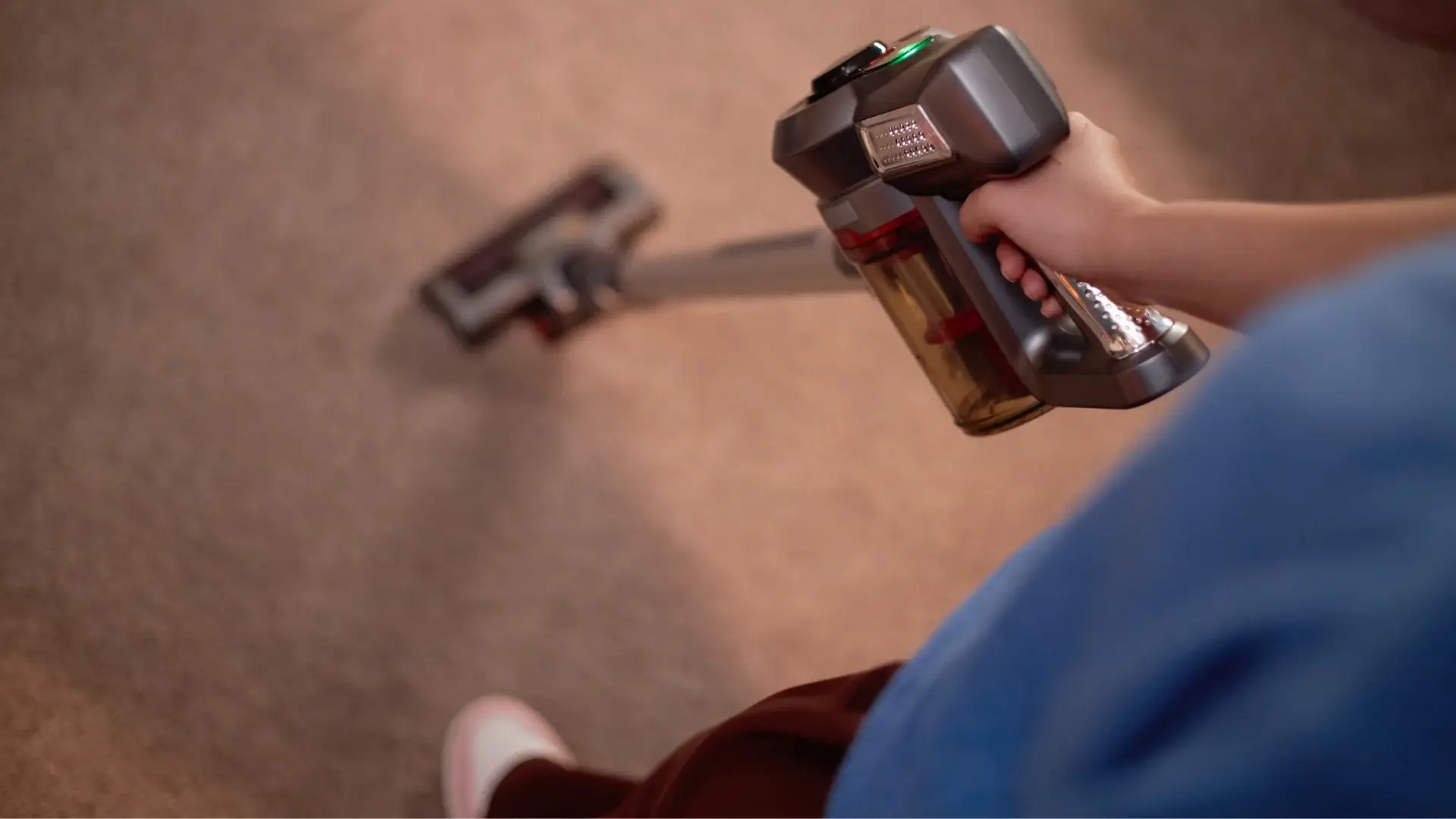
Another important thing for vacuum performance are clean filters. Regular filter cleaning or replacement is needed for bagless vacuums. Changing the bag of bagged vacuums before its full preserves airflow. Often checking the brush rolls for hair or string is another must.
Ergonomics and User Comfort
Vacuuming a small home or a 20,000 square foot office is equally tiring. Vacuums that have poor weight distribution especially those top heavy ones can cause strain over time. A vacuum that is well designed and easy to maneuver lessens strain on the arms and shoulders.
Wide-Area and Battery-Operated Options
In large spaces like schools and event halls, wide area vacuums and battery powered ones allow more freedom and productivity. Battery models don’t have cords but requires you to be more conscious of run time and charging needs. Always check the battery life and make sure a second battery is included before buying.
Choosing the Right Fit
Your specific needs will still determine what the best vacuum is for you. Your floor size, space size, sensitivity to dust and personal comfort are deciding factors. For homeowners. convenience and filtration may be at the top of the list. For facility managers, durability and performance might matter the most. But either way, investing in the right vacuum will make your life easier. It will reduce your effort, improve air quality and extend the life of your flooring and furnishings.
Final Thoughts
At Personal Touch, we understand having the right equipment for the job is so important.. A thoughtful choice in vacuum cleaner supports a cleaner environment, healthier air, and greater comfort for the user. Whether you’re cleaning a family home or a corporate campus, the right vacuum is one of your best allies in building care.
Frequently Asked Questions
1. What should I look for when choosing a vacuum for a home or business?
A good vacuum matches your space and needs. Consider the surface types (carpets, hard floors), filtration level, attachments for edges and corners, and overall comfort for the user. The right choice improves cleanliness, air quality, and reduces effort.
2. What’s the difference between bagged and bagless vacuums?
Bagged vacuums trap dust and allergens inside a sealed bag, which can be easier and cleaner to dispose of. Bag less models show when they’re full and save money on bags, but their filters require regular cleaning to maintain performance.
3. How often should vacuum filters be checked or cleaned?
Filters should be checked routinely and cleaned or replaced according to the manufacturer’s recommendations. Regular maintenance helps preserve suction and prevent dust from reentering the air, especially important in commercial spaces with heavy use.
4. Why do accessories like crevice tools matter?
Basic vacuum heads often miss dust and debris in edges and corners. Accessories such as crevice tools and dust brushes help reach tight spaces, keeping cleaning consistent and improving overall floor-care results.
5. Can the right vacuum improve indoor air quality?
Yes. Vacs with high-quality filtration like HEPA traps capture fine particles, allergens, and dust that ordinary models might release back into the air. This can make a noticeable difference in spaces where people spend a lot of time.